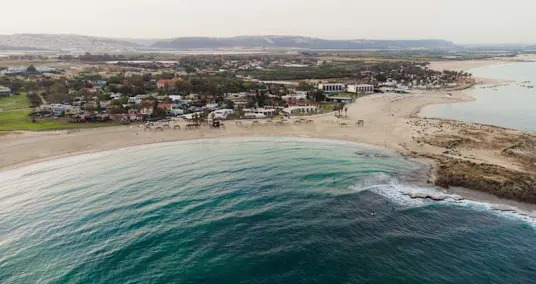
The discovery was made in an ancient shipwreck in the Dor Lagoon near the Carmel Coast, where archaeologists recovered nine pieces of unprocessed iron known as “blooms.”
Researchers from the University of Haifa said Wednesday that an underwater excavation off Israel’s northern Mediterranean coast uncovered what they described as the earliest known cargo of raw iron transported by ship, dating back around 2,600 years, Xinhua reported.
The discovery was made in an ancient shipwreck in the Dor Lagoon near the Carmel Coast, where archaeologists recovered nine pieces of unprocessed iron known as “blooms.” According to the university, the find provides direct evidence of how iron was transported in its earliest commercial stages.
The material was preserved in its original form, having solidified directly in a smelting furnace without undergoing forging or further refinement. Researchers said this distinguishes the cargo from later iron artifacts that typically show signs of shaping or tool-making.
Unlike copper and bronze, which could be melted into liquid form in ancient production processes, iron was heated with charcoal to produce a solid, porous mass. That mass was generally hammered to remove impurities and create denser material suitable for tools and implements.
The recovered blooms showed no indication of that secondary processing stage, suggesting they were transported immediately after production.

Earliest iron shipment discovered in ancient Mediterranean wreck
To determine the age and condition of the cargo, researchers conducted microscopic and chemical analyses.
Radiocarbon dating was also carried out on charred wood embedded in one of the pieces, helping confirm the timeline of the shipment. The findings were published in the journal Heritage Science.
Researchers said the cargo indicates that iron was being moved in raw form from production sites to other locations for further processing, pointing to a level of specialization in ancient manufacturing and trade networks in the Mediterranean.
The University of Haifa said the discovery provides new insight into early iron production and distribution practices in the region.
latest_posts
- 1
 Chief of Staff Zamir warns IDF will collapse due to lack of manpower, raises 'ten red flags'
 - 26 Arranging Administrations to Change Your Open air Space
- 3Best Quest for new employment Site for You to Track down Amazing open doors
- 4This Miraculous, Cliff-Perched Town In The South Of France Is A Sacred European Gem
- 5San Francisco sues 10 companies that make ultraprocessed food



- How to watch 'A Charlie Brown Christmas' for free in 2025
- Vote in favor of the subject that you see as generally captivating and intelligent!
- Free Fuel Giveaway Sparks Traffic Mayhem Before Police Shut It Down
- The most effective method to Keep up with Proficient Handshakes in a Computerized World
- Figure out How to Modify Your Pre-assembled Home for Greatest Solace and Stylish Allure
- Lego's $650 Pokémon set is already sold out as demand, preorders surge
- Top 10 Books That Will Have an impact on Your Viewpoint
- Cyprus: War-related tourism concerns and climate change efforts
- The Best Web-based Courses for Expertise Improvement